


The Treasures of the Thracians
The ancient Greek poet Homer tells us about the riches of the noble Thracians. His works, the Iliad and the Odyssey, describe events surrounding the Trojan War (13th century BCE), when the Thracians fought alongside the Trojans against the Greek invasion. These texts contain accounts of the richly decorated horses, chariots, and armaments of Thracian kings and military leaders. They also describe grand royal feasts where guests served themselves with vessels made of precious metals. This tradition was preserved throughout the first millennium BCE and reflects the Thracian aristocracy's desire to demonstrate their political and religious authority by presenting themselves as a community of hunters, warriors, and banquet participants.
The earliest Thracian treasure was discovered near the village of Valchitran in the Pleven region. Dating from the 12th century BCE, it consists of thirteen massive golden vessels and confirms Homer's accounts of elite feasts in ancient societies. The unusual shape and decoration of the vessels, however, suggest the set may have served in religious ceremonies. The treasure provides striking evidence of cultural ties between ancient Thrace and Mycenae, one center of Greek civilization.
In the first half of the 1st millennium BCE, Thracian jewelry-making (goldsmithing) was strongly influenced by ancient Greece. The treasure from Barzitsa in the Varna region, discovered in 1924, provides evidence of this. Dating to the 11th–10th centuries BCE, it consists of earrings and belts adorned with rich geometric decoration.
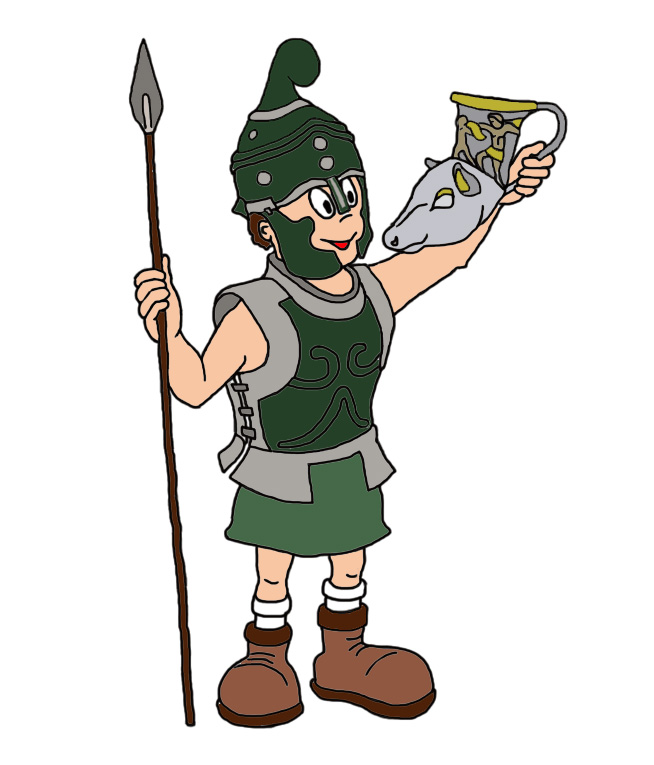
Most known Thracian treasures date to the peak of the Odrysian, Triballian, and Getae states (5th–4th centuries BCE). Valuables were sometimes buried to hide them from military threats, to ritually establish royal authority over a certain territory, or as offerings to Thracian deities. The most impressive of these treasures are the dining services accidentally discovered near Panagyurishte, Rogozen (Vratsa region), Lukovit (Lovech region), and Borovo (Ruse region). They contain numerous vessels for pouring, storing, and drinking liquids—cups, jugs, rhytons, amphorae, and phialae. Some bear mysterious inscriptions in ancient Greek that reveal the names of the craftsmen who made them and the rulers who commissioned them. Silver vessels inscribed with the names of Odrysian kings Satokos, Kotys, and Kersebleptes, found at Rogozen and Borovo, confirm diplomatic relations and gift exchanges between the Odrysian kingdom and the northern Thracian kingdoms of the Triballi and Getae. The vessels often depict plants, animals, fantastic creatures, and human figures. These images are among the most valuable—and sometimes the only—evidence of Thracian mythology, religion, art, and interaction with neighboring lands: Greece, Macedonia, and Asia Minor.
During the flourishing period of Thracian culture (5th–3rd centuries BCE), the aristocracy, rulers, and their families were buried with precious metal objects placed as personal belongings and grave offerings. Burial mounds near the villages of Mezek (Haskovo region), Zlatinitsa (Yambol region), Shipka (Kazanlak region), Duvanlii (Plovdiv region), Sveshtari (Isperih region), and the city of Vratsa have revealed symbols of power and markers of social and religious prestige. These include sets of gold and silver vessels, gold wreaths, plates and pectorals, exquisite jewelry and clothing accessories, offensive and defensive weapons, decorations for horse bridles and reins, and chariot appliqués. Placed beside the bodies to serve the deceased in the Afterlife, these objects formed an integral part of mysterious rituals renewing life, royal power, and death.
Finds from the villages of Letnitsa, Lukovit (Lovech region), Galiche (Vratsa region), and Sveshtari (Isperih region) include bridles, buckles, and appliqués used to decorate horses' heads, chests, and flanks. The exceptional craftsmanship suggests these pieces were made to impress onlookers. The treasures served as distinctive symbols of power (insignia), as only a ruler could afford such luxury.
Coin hoards have also been discovered in Thrace. Most were placed in leather pouches and ceramic vessels, then deliberately buried to protect them from military threats. Coins of Greek cities, local rulers, Paeonian and Macedonian kings, and the Roman Republic circulated in Thracian territories. These coins provide valuable evidence for mapping major trade routes and tracing economic and political relationships between the Thracians and the surrounding world.